

Daughters
This Sundance winning documentary will change the way you see incarcerated fathers

Incarceration strips away the fundamental need for connection. It controls an individual's contact with the outside world by separating them from family, friends and community. This may be another form of punishment on top of the already gruel conditions of prison; however, removing this connection ultimately decreases the chance of rehabilitation and consequently hurts the families of those incarcerated. Daughters, directed by Natalie Rae and Angela Patton, shows us this hurt. We see how fragile the relationship between a daughter and her incarcerated father can be and how this lack of physical touch can lead to the relationship becoming nonexistent.
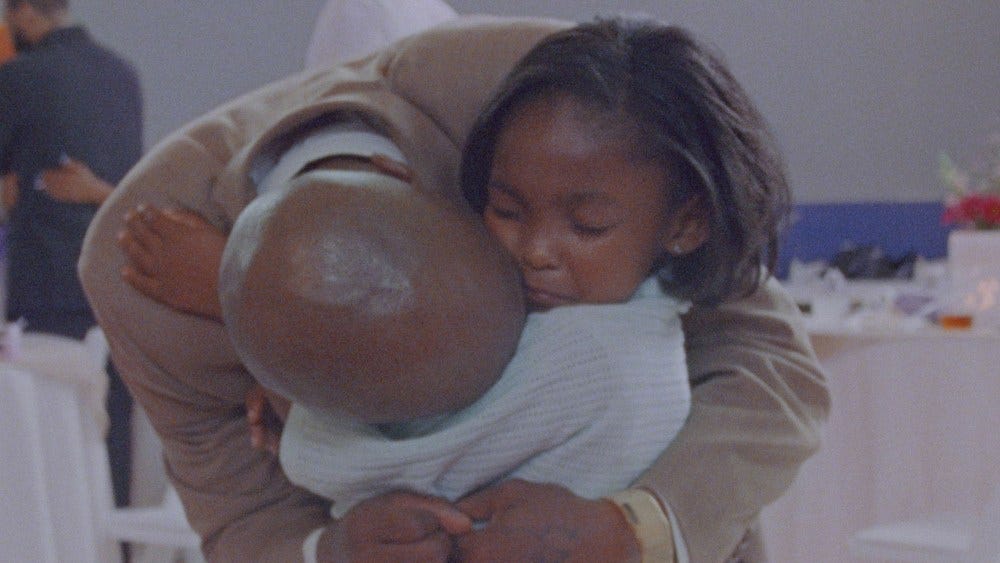
It's been over 10 years since US penitentiaries limited or ceased the right for in-person visits in favour of pricey video and phone calls. Not every family can afford a $12 video call, and when they can, technical complications can get in the way of having a meaningful conversation. In 2007, Angela Patton hosted the first of many father-daughter dances in her community, but upon learning that a significant number of girls could not attend because their fathers were incarcerated, she came up with a solution. In 2013, the Richmond City Jail hosted its first annual “Date with Dad Dance”, and since then, the program has expanded to other locations. Despite Patton’s impressive activism work, the documentary solely focuses on the fathers and daughters. She could have easily taken a moment for herself to shine, but instead, she lets the real life stories show how impactful her work has been. The compassion and empathy she has for her community radiates throughout the film, and it is evident how much thought and care both directors put into showcasing such a heartfelt story.
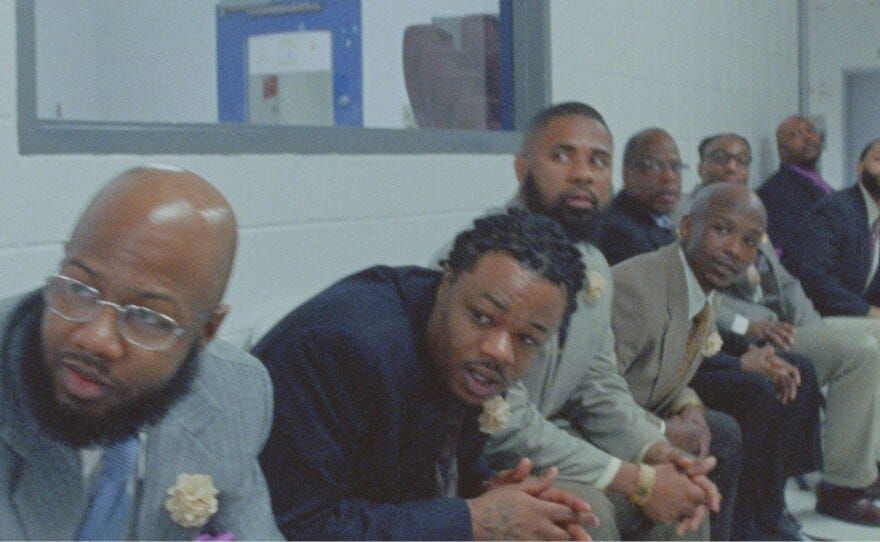
To attend the dance, the fathers must first complete a 10-week programme with a “father life coach” to prepare them for the challenge ahead. Giving these incarcerated men a safe space to talk about their relationships, experiences, and regrets is an extremely powerful tool in starting the rehabilitation process. It's hard not to draw comparisons to Greg Kwedar’s Sing Sing - a striking film about the Rehabilitation Through the Arts programme. Both films show these men through a compassionate lens that helps the viewers connect with them on a human level instead of just seeing them as prisoners. We don’t learn the reasons why they’re in prison, instead, we learn who they are as a person and what they want to achieve. All the men in the group share one goal - to get out and be a good father. It sounds simple enough, but when you’re stuck in that cycle because the system works tirelessly against you, getting out and staying out can seem impossible. But it’s not. The programme has a recidivism rate of 3%, meaning 97% of the men that attended the programme stayed out. One father in the film said “That’s the day I actually felt like I can’t come back to prison no more…because of the power I felt that day."
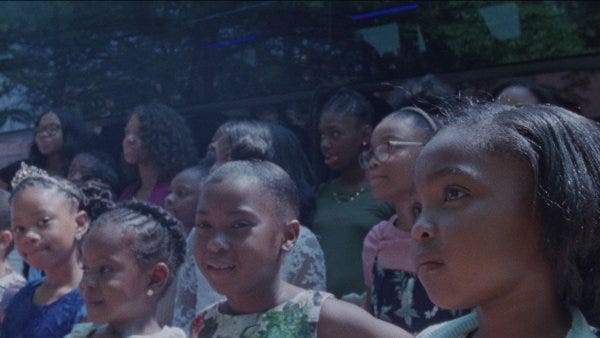
At the heart of the documentary is the emotional journey the young girls face. We meet 5 year old Aubrey, still bubbling with enthusiasm and hope as she tells us her interest in school but more specifically maths. She has yet to be dulled by the number of years her father still has to spend behind bars, but like every kid at that age, she has not grasped how long 7 years actually is. As she rambles on about the time tables, your heart starts to sink. Aubrey has been given a number of years she has to wait to see her father again, so she’s doing everything in her power to understand that number. The older girls understand it completely. We see how deeply the absence of their fathers has affected them as they know just how long they have to wait and the reasons why. Ja’Ana, aged 11 doesn’t remember her father's face, which is the case for a lot of these girls. 10 year old Santana has already decided not to have children in the future as the responsibility of being the father figure to her two younger siblings whilst dealing with her own emotional turmoil is too much to bear. And 15 year old Raziah opened up about her suicidal thoughts as the anger and hurt she was feeling took a huge toll on her mental health. The camera brings forth the true complexity of the relationship these girls share with their fathers. A man with whom they share blood but have yet to share any meaningful time together.
The dance is as bittersweet as you might expect. As they share hugs and conversations, the joy the families are feeling is fleeting as the time ticks by and the end draws closer. For a few hours, they can pretend everything is “normal”, that the men are free to have a real relationship with their daughters. But that inevitable heartbreak when the girls are ushered to go home and the men have to return to their orange jumpsuits hits like a ton of bricks. There are glimpses of hope as they hug goodbye, but for some girls, that small chance of getting to see their fathers again isn’t enough to keep the relationship alive.
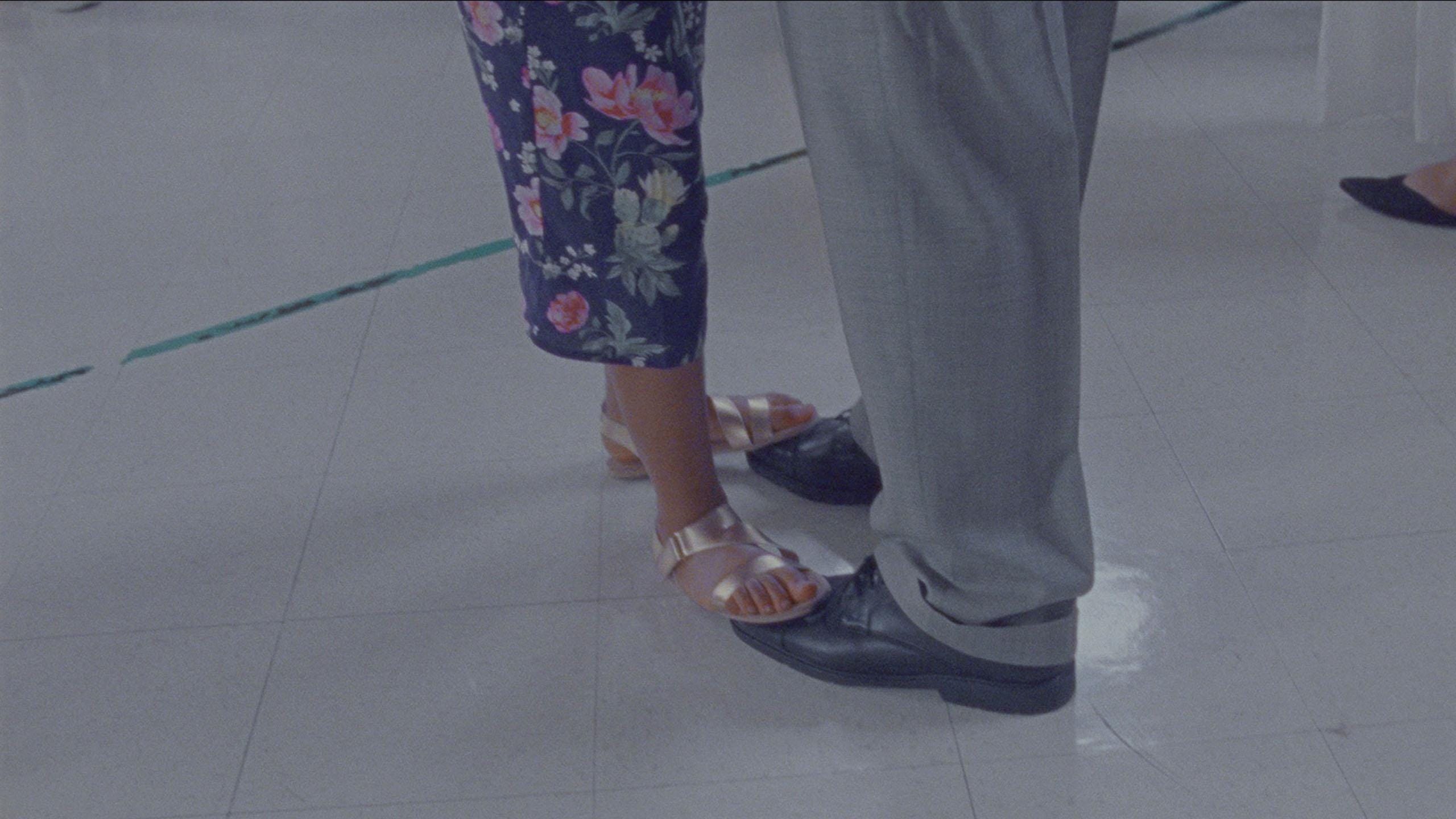
Despite the bleak subject matter, this is the most beautiful documentary released last year. The cinematography by Michael Fernandez has a dream-like feel to it. Each scene flows with so much warmth and lyricism to perfectly reflect the girls’ innocence, while the use of slow motion in some places warns us how long the years will go by until they get to hug their fathers again. The documentary raises serious questions without being too overt. Race, crime, and power are examined whilst still managing to focus on the intimate relationship between a young girl and her father. It’s incredibly impressive to balance such important topics without impacting the flow of the story. The film is about breaking generational cycles of incarceration and poverty, it teaches us to question whether physical connection is a right, not a privilege, and how our communities can thrive when our families are intact. This is all done through exploring a daddy/daughter relationship that never gets told. A relationship that is so suppressed, the judicial system doesn't recognise how beneficial it can be.
Community and connection are vital, they’re what makes us human. Go hug the people in your life, go tell your friends and family you love them. Love and empathy are the most powerful tools one can hold, so use them. please.
this film wrecked me 😭